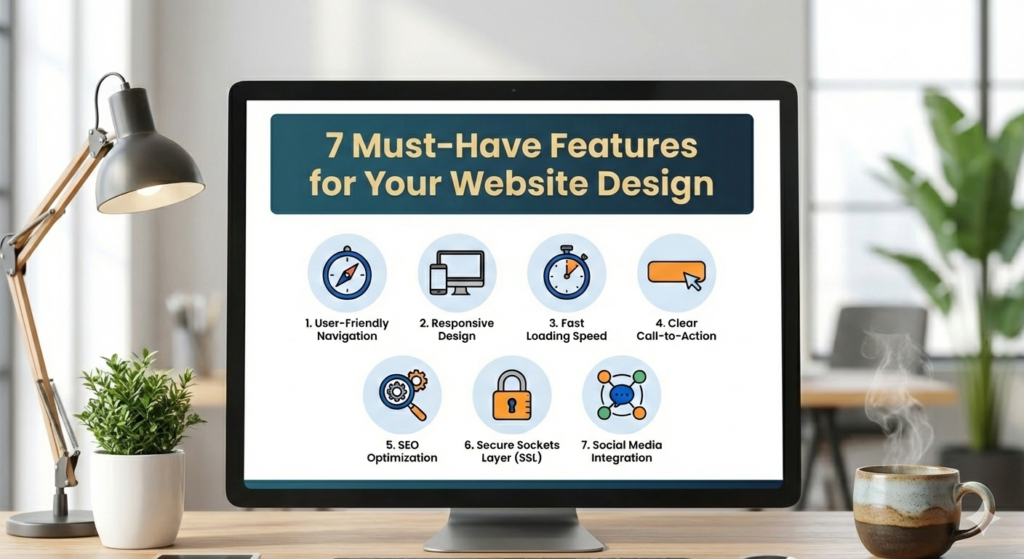
7 Must-Have Features for Your Website Design
In today’s digital-first world, your website is often the first impression potential customers have of your brand. A visually appealing site alone is not enough—your website design must be functional, user-friendly, and optimized for performance. A well-structured website not only attracts visitors but also keeps them engaged and encourages conversions.
Whether you are building a new site or revamping an existing one, incorporating the right features into your website design is essential for success. Below are the 7 must-have features every modern website should include.
1. Mobile-Responsive Design
With the majority of users browsing websites on smartphones and tablets, mobile responsiveness is no longer optional. A responsive website design automatically adapts to different screen sizes, ensuring a seamless experience across devices.
Why it matters:
Improves user experience on all devicesReduces bounce ratesHelps with SEO rankings, as search engines prioritize mobile-friendly websites
A mobile-responsive layout ensures that text, images, buttons, and navigation remain easy to use, regardless of screen size.
2. Fast Loading Speed
Website speed plays a crucial role in both user experience and search engine optimization. A slow-loading website can frustrate users and cause them to leave before your content even loads.
Key benefits of a fast website design:
Higher user engagementBetter search engine rankingsIncreased conversion rates
Optimizing images, minimizing code, and using reliable hosting services can significantly improve your website’s loading speed.
3. Clear and Simple Navigation
One of the most important aspects of effective website design is intuitive navigation. Visitors should be able to find what they’re looking for within seconds.
Best practices:
Use a clear menu structureLimit the number of menu itemsInclude descriptive labels
Simple navigation improves usability and helps guide users smoothly through your website, increasing the chances of conversions.
4. Strong Visual Hierarchy
Visual hierarchy helps users understand which elements are most important on a page. A good website design strategically uses headings, spacing, colors, and typography to direct attention.
Why visual hierarchy is essential:
Makes content easier to scanHighlights key messages and CTAsImproves readability
When users can quickly understand your content layout, they are more likely to stay longer and engage with your website.
5. SEO-Friendly Structure
An SEO-optimized website design ensures that search engines can easily crawl and index your pages. Without proper structure, even the best content may struggle to rank.
Essential SEO elements:
Proper heading tags (H1, H2, H3)Clean URL structureOptimized images with alt textFast loading and mobile optimization
An SEO-friendly structure improves visibility, helping your website attract organic traffic consistently.
6. Clear Call-to-Action (CTA)
Every effective website design should guide users toward a specific action, whether it’s signing up, contacting you, or making a purchase. This is where clear and compelling CTAs come in.
Examples of effective CTAs:
“Get a Free Consultation”“Contact Us Today”“Download Now”
CTAs should stand out visually and be placed strategically across your website to drive user action.
7. High-Quality Content and Readability
Content is the backbone of any successful website design. Even the most visually appealing website will fail if the content is unclear or hard to read.
Content best practices:
Use simple and professional languageBreak content into short paragraphsUse bullet points and headingsMaintain consistent font styles
High-quality, readable content builds trust, communicates value, and encourages visitors to take the next step.
Final Thoughts
A successful website design is a perfect blend of aesthetics, functionality, and performance. By incorporating these seven must-have features—mobile responsiveness, fast loading speed, simple navigation, visual hierarchy, SEO-friendly structure, clear CTAs, and high-quality content—you create a website that not only looks good but also delivers real results.
Investing in the right website design features ensures better user experience, higher search engine visibility, and improved conversions. If your website includes these essentials, you’re already on the path to digital success.
Let’s Build a High-Performing Website for Your Business