
Common Digital Marketing Mistakes Small Businesses Make (And How to Avoid Them)
In today’s competitive landscape, having an online presence is no longer optional. Small businesses increasingly rely on digital channels to reach customers, build trust, and drive growth. However, many businesses struggle to get results from digital marketing because of avoidable mistakes. These mistakes not only waste time and money but can also slow down long-term growth.
Understanding what commonly goes wrong—and how to fix it—can help small businesses create more effective strategies and achieve sustainable success.
Table Of Contents
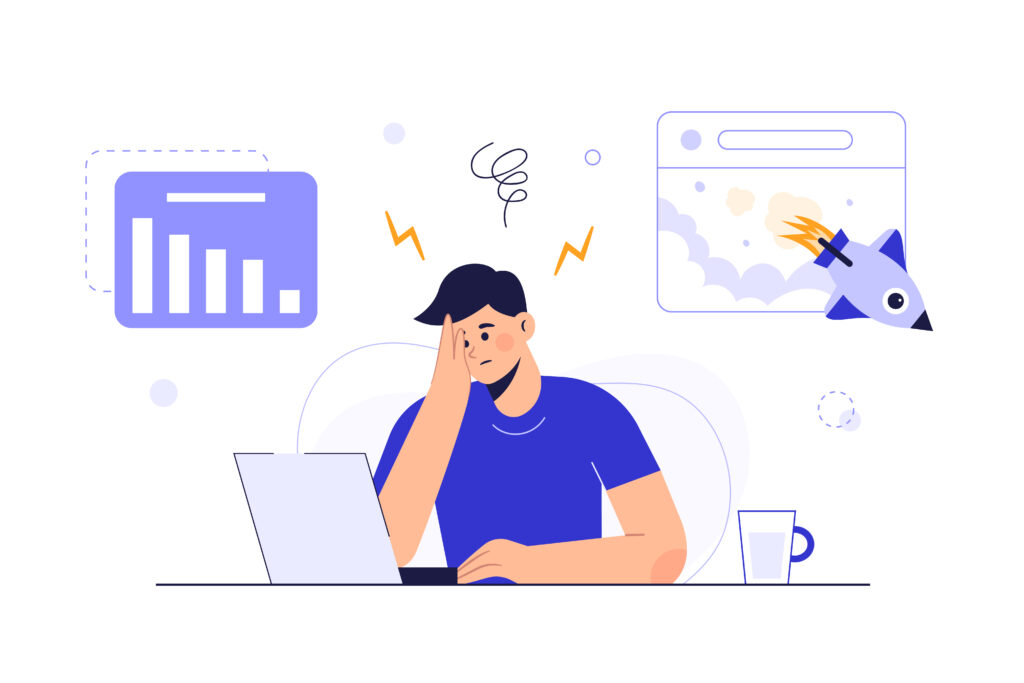
1. Starting Digital Marketing Without a Clear Strategy
One of the most common mistakes small businesses make is jumping into digital platforms without a defined plan. Creating social media pages, running ads, or publishing content without clear goals often leads to inconsistent results.
Without a strategy, digital marketing becomes reactive instead of intentional.
How to Avoid It
Start by defining your business objectives. Do you want more website traffic, leads, or sales? Once goals are clear, choose the right channels and create a structured plan that aligns with your audience and resources. A strategy-driven approach ensures that every effort supports measurable outcomes.
2.Trying to Be Active on Every Platform
Many small businesses feel pressured to be everywhere—Instagram, Facebook, LinkedIn, YouTube, email, and more. This often leads to poor-quality content and burnout.
Spreading efforts too thin weakens your digital marketing performance rather than strengthening it.
How to Avoid It
Focus only on platforms where your target audience is most active. It’s better to manage two channels well than five poorly. Consistency and relevance matter more than presence on every platform.
3.Ignoring the Target Audience’s Needs
Promoting products or services without understanding customer pain points is a major mistake. Content that feels overly promotional often fails to engage or convert.
Effective digital marketing is about solving problems, not just selling.
How to Avoid It
Research your audience’s behavior, challenges, and expectations. Create content that educates, informs, or adds value. When customers feel understood, they are more likely to trust your brand and take action.
4.Neglecting Search Engine Optimisation (SEO)
Some small businesses focus only on paid ads or social media while ignoring SEO. This limits long-term visibility and makes growth dependent on ad budgets.
SEO is a critical part of sustainable digital marketing.
How to Avoid It
Invest in basic SEO practices such as keyword research, optimised page titles, meta descriptions, and high-quality content. While SEO takes time, it provides consistent traffic and better credibility over the long run.
5.Driving Traffic to a Poorly Optimised Website
Even the best campaigns fail if visitors land on a slow, outdated, or confusing website. A poor website experience leads to high bounce rates and lost opportunities.
Your website is the foundation of your digital marketing efforts.
How to Avoid It
Ensure your website is mobile-friendly, fast-loading, and easy to navigate. Clear calls-to-action, simple contact forms, and well-structured pages help convert visitors into leads or customers.
6.Inconsistent Branding and Messaging
Using different tones, visuals, or messages across platforms can confuse potential customers. Inconsistency weakens brand recognition and trust.
Strong branding is essential for effective digital marketing.
How to Avoid It
Maintain consistent colours, fonts, messaging, and brand voice across all channels. A unified brand identity creates familiarity and improves recall among your audience.
7.Not Tracking Performance or Analytics
Many small businesses fail to measure results. Without tracking data, it’s impossible to know what’s working and what needs improvement.
Data-driven decisions are key to improving digital marketing performance.
How to Avoid It
Use tools like Google Analytics, Search Console, and social media insights to monitor traffic, engagement, and conversions. Regular analysis allows you to refine strategies and invest in what delivers results.
8.Expecting Instant Results
Digital marketing is not an overnight solution. Expecting immediate leads or sales often leads to frustration and premature strategy changes.
Consistency is crucial for long-term digital marketing success.
How to Avoid It
Set realistic expectations and give campaigns time to perform. Focus on continuous improvement, testing, and optimisation rather than quick wins.
Conclusion
Small businesses don’t fail at digital growth because of a lack of effort—they fail because of avoidable mistakes. By building a clear strategy, understanding the audience, optimising websites, and tracking performance, businesses can unlock the true potential of digital marketing.
When done right, digital marketing becomes a powerful tool that drives visibility, builds trust, and delivers measurable growth over time.
Frequently Asked Questions
Digital marketing is the use of online channels like search engines, social media, websites, and email to promote products and services.
It matters because it helps businesses reach the right audience, increase visibility, and grow cost-effectively online.
It helps brands build awareness, engage customers, and drive leads and sales through targeted strategies.
Businesses should avoid lacking a clear strategy, ignoring analytics, having inconsistent branding, and neglecting SEO.
Stop guessing and start growing with data-driven digital marketing that works.
Hi, this is a comment.
To get started with moderating, editing, and deleting comments, please visit the Comments screen in the dashboard.
Commenter avatars come from Gravatar.